 São Paulo FC Hub
São Paulo FC, known as Tricolor, experienced one of the most glorious periods in its history during the 1990s under the legendary coach Telê Santana. Arriving at the club in 1990, Telê brought a philosophy of play that prioritized ball possession and refined passing, transforming the team into a winning machine. The pinnacle of this era was undoubtedly the triumph in the FIFA Club World Cup in 1993 and 1994, where the Tricolor stood out among the best clubs in the world.
The first victory in the tournament in 1993 was a defining moment in the club's history. Facing AC Milan, one of the European giants, São Paulo not only won but did so with a performance that captivated the football world. The team, featuring players like Raí, Cafu, and Müller, showcased a level of football that would be studied and admired for many years. This victory not only solidified the club's standing on the international stage but also boosted the morale of Brazilian football during a time when the national team sought to bounce back from disappointment in the 1990 World Cup.
Telê Santana, known for his ability to get the best out of his players, implemented effective tactics while fostering a team spirit that was palpable on the pitch. During his tenure, the Tricolor won three Brazilian Championships (1991, 1992, and 1993) and two Copa Libertadores titles (1992 and 1993), becoming a prominent figure in the history of world football. São Paulo's style of play, under his guidance, was a perfect blend of technical skill and tactical acumen, which not only delighted fans but also challenged opponents.
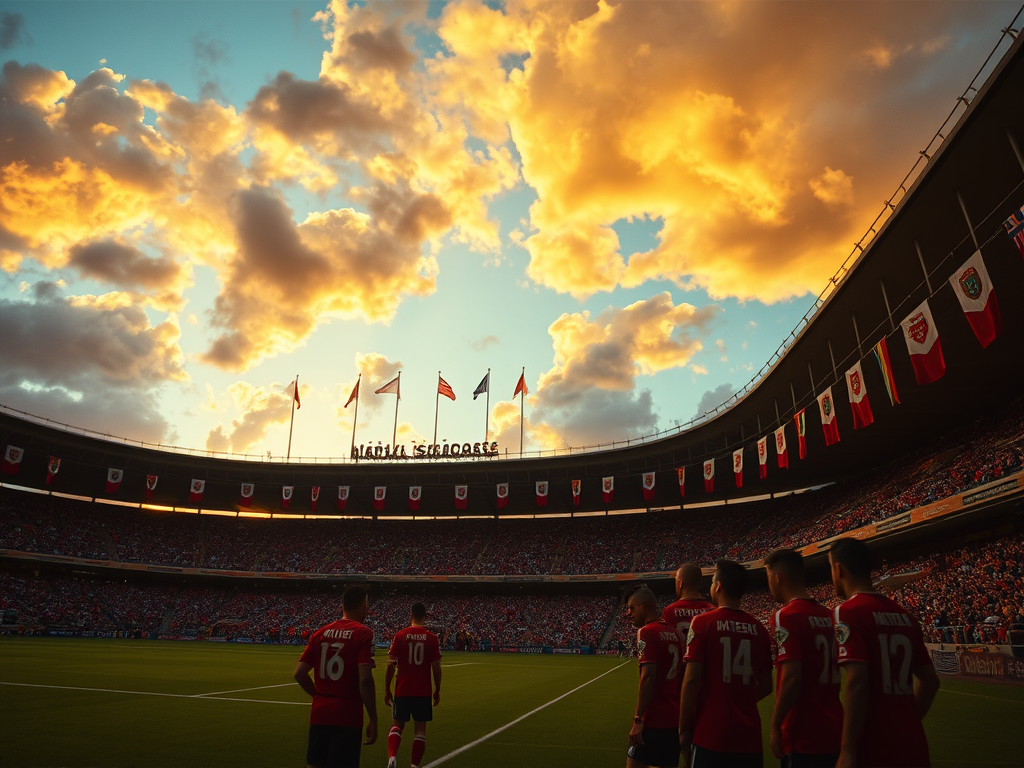
The years of Telê Santana were marked by a deep connection between the team and its supporters. Morumbi, the Tricolor's home, became a true cauldron where emotions ran high. Fans united in a single chorus, celebrating each victory as if it were a sacred rite. The atmosphere was electric, and for many, the matches from that era are remembered as some of the best moments in Brazilian football.
Unfortunately, Telê's era came to an end in 1996, but the legacy he left is undeniable. The victories and the playing philosophy he instilled continue to influence São Paulo FC to this day. The Tricolor not only established itself as a powerhouse in Brazilian football but also became an example of how a club can transform itself through a clear vision and exceptional technical leadership. The history of São Paulo FC in the 90s is undoubtedly a testament to what is possible when talent, hard work, and passion come together in one place.